MINDSET, DISCIPLINE AND STOIC TRAINING
The mental side of training for decades. Stoic practice, lessons from Roman and Spartan training, building habits that last, and keeping a reason to train.
32 ARTICLES
BOOKS ON THIS TOPIC
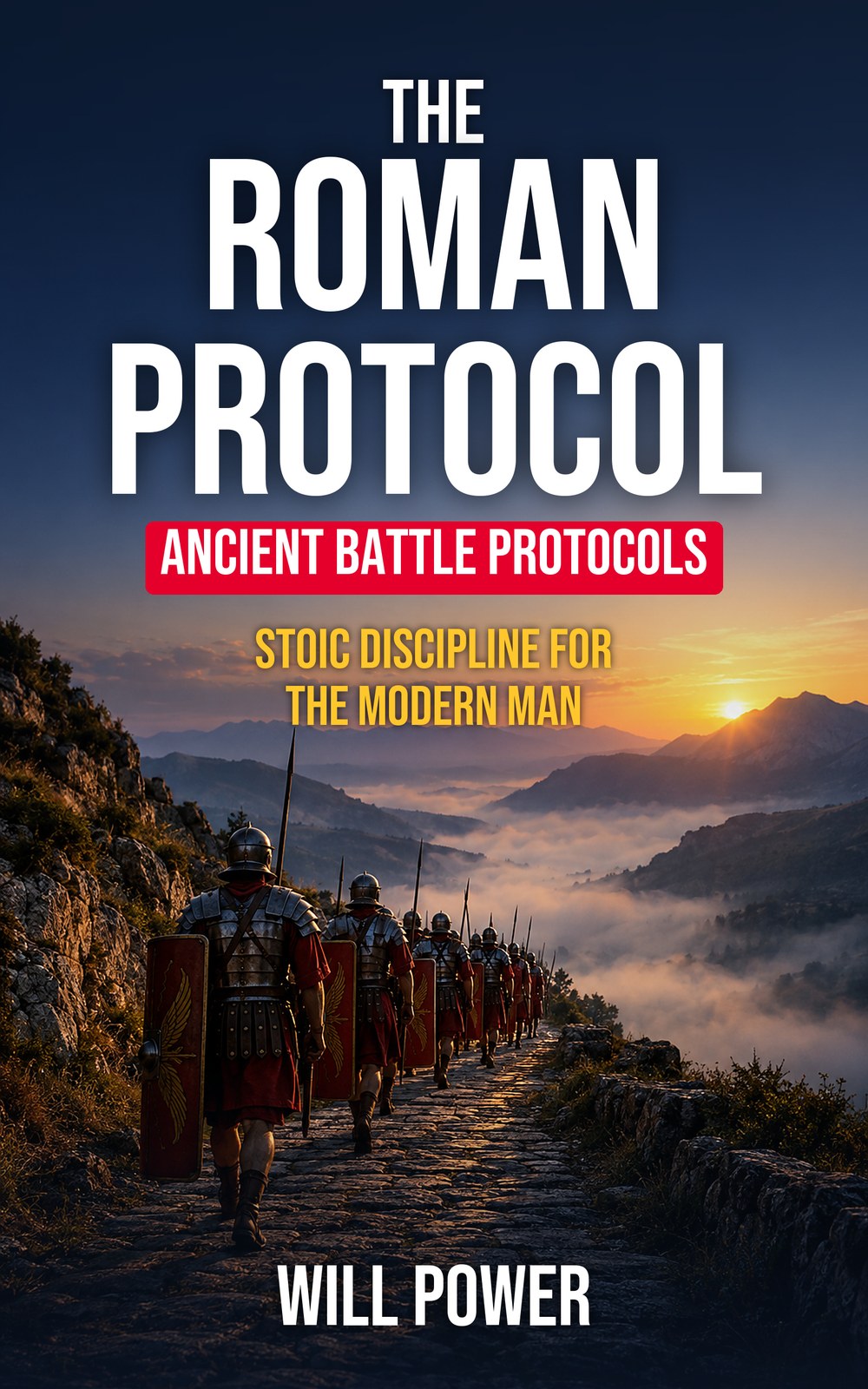
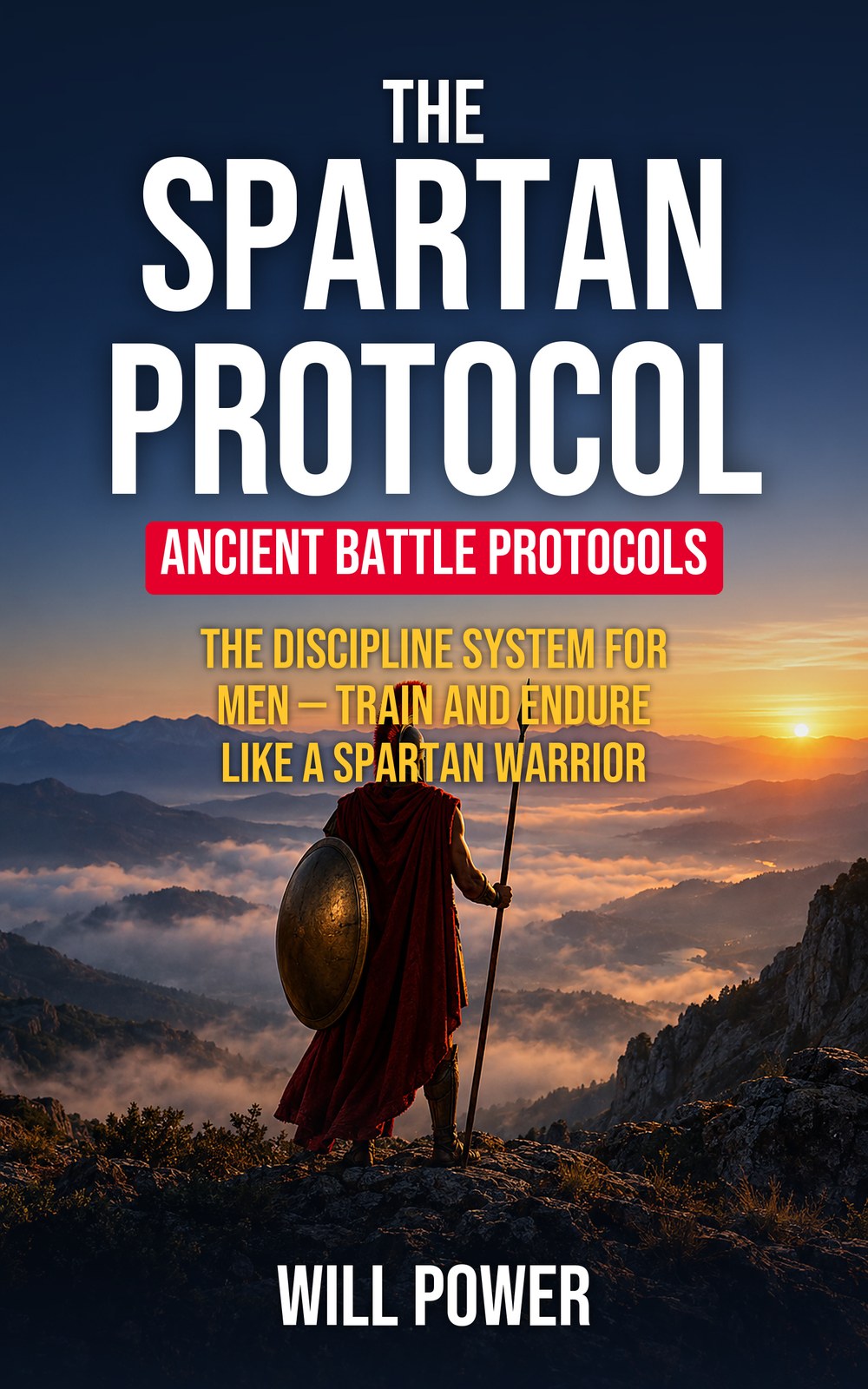
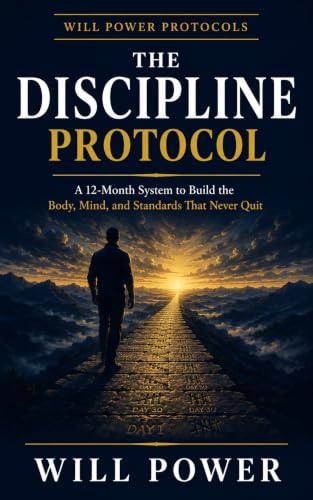
ARTICLES
GO TELL THE SPARTANS: WHAT THE THERMOPYLAE EPITAPH LEAVES OUT
The epitaph at Thermopylae claims neither victory nor glory, only that the men stayed until it was done. The closing chapter of The Spartan Protocol on what Herodotus recorded about the last stand, and why the point was never hardship for its own sake.
THE SHIELD OF THE MAN BESIDE YOU: WHAT THE RESEARCH MEASURED ON GOING IT ALONE
Spartans treated losing a shield as disgrace because it exposed the man beside you. Here is what cohort studies report on social isolation and mortality, what a 2026 meta-analysis found on group versus solo exercise, and the book's one-partner accountability protocol.
STRENGTH TRAINING AND DEPRESSIVE SYMPTOMS: WHAT THE RANDOMIZED TRIALS MEASURED
Meta-analyses of randomized trials report that resistance training was associated with reduced depressive symptoms, but the authors rated confidence low to very low and found smaller effects in better-blinded trials. Here's what was measured, how the numbers differ in adults over 60, and what the evidence doesn't cover.
THE EPHOR'S MIND: SPARTA HAD TWO KINGS, AND BOTH COULD BE ARRESTED
Sparta had two kings and five ephors whose job was to check them. Chapter 10 of The Spartan Protocol uses that institution to make a point about competence without oversight — and the accountability research underneath it splits in ways worth reporting honestly.
SPARTAN RECOVERY: THE FESTIVAL THAT INTERRUPTED A YEAR OF TRAINING
Sparta stopped training once a year to dance for several days in the summer heat — scheduled, communal, and physically demanding. Chapter 9 uses the Gymnopaedia to separate structured recovery from unstructured passivity, with the cold-water, sauna and sleep evidence reported at the strength it actually has.
THE SPARTAN WEEK: WHAT SEVEN CHAPTERS LOOK LIKE ASSEMBLED
Chapter 8 of The Spartan Protocol assembles seven separate protocols into one integrated week — training days, fasting windows, cold exposure, the weekly contrast session, and the sleep window that everything else depends on. Includes an honest look at where the chapter states its cold-exposure citation more firmly than the trial does.
NO ONE LEFT TO BATTLE: WHAT HAPPENS WHEN YOUR TRAINING GROUP SCATTERS
You rack your bike at six in the morning and look down the row for the people you came here to beat — and they are not there. A chapter from Once a Triathlete on the four ways a training cohort disappears, the three answers men give when they will not come back, and the question that follows: if the friendship survives the sport, what exactly was the sport for?
BARRACKS DISCIPLINE: THE ONE THING SPARTA WOULDN'T LET A MAN NEGOTIATE
A married Spartan man could not sleep in his own house until he turned thirty. Chapter 7 of The Spartan Protocol takes that rule and asks what it protected — plus what the sleep research the chapter cites actually measured, including where the chapter states things more firmly than its own sources do.
I NAMED MYSELF AFTER A QUALITY I DIDN'T HAVE
Will Power is not my real name. I gave it to myself in the spring of 2007, on a charity training ride, doing arithmetic about a hundred-mile bike ride I was not sure I could finish — before I had done a single triathlon. The origin of the name this whole site is built on, from Once a Triathlete.
THE SPARTAN KIT: WHY THE STACK STOPS AT FOUR
A Spartan carried a shield, a spear, a sword, and a cloak. Chapter 5 of The Spartan Protocol builds the supplement shelf the same way — four items, each with a job, and a hard stop before the stack turns into pill theater.
THE PROTOCOL FOR LIFE: HOW A TRAINING SYSTEM ADAPTS BY DECADE
Chapter 12 of The Roman Protocol makes one distinction: adapting the system is not the same as abandoning the standard. Here is the decade-by-decade adaptation schedule, the mortality and sarcopenia research it is built on, and the four weeks each year that historically end protocols.
THREE BLOOD MARKERS WORTH KNOWING BEFORE YOU BUY ANOTHER SUPPLEMENT
The Legion medicus examined the soldier before prescribing. Three blood markers — serum vitamin D, the omega-3 index, and RBC magnesium rather than serum magnesium — are what the book's Arsenal protocol runs on, plus the trial evidence behind each compound and the ninety-day review window.
THE MOTIVATION SYSTEM NOBODY TALKS ABOUT
When the race calendar empties, training often slips. Chapter 6 of Win the Long War — Women's Edition looks at three cohort studies linking a stronger sense of purpose with lower mortality, what they can and can't show, and how the book uses races to keep a target on the calendar.
THE BLACK BROTH CODE: WHAT SPARTA'S NOTORIOUS DIET ACTUALLY GOT RIGHT
Sparta's black broth was famous for tasting terrible. What it actually encoded was fixed portions, communal accountability, bounded scarcity, and vinegar, which a 2004 research letter later studied at a single meal. The honest version of eating like a Spartan.
THE TWO-MINUTE RITUAL THE ROMAN LEGION NEVER SKIPPED
A Roman Legion built a fortified camp from scratch every single night for five centuries, not because the soldiers felt like it, but because the architecture never asked. The behavioral science behind why structure beats motivation, and the two-minute daily practice built on it.
THE ROMAN WEEK: THE SEVEN-DAY SYSTEM THAT RUNS ON YOUR WORST WEEKS
The Legion's seven-day structure, rebuilt for a modern man over 50 — the polarized training research, the concurrent-training science, and the exact weekly layout that holds even on the weeks you don't feel like running it.
THE 21-DAY HABIT MYTH: WHAT THE RESEARCH ACTUALLY SHOWS
The 21-day habit myth traces back to an offhand observation with nothing to do with habit formation. Real research puts the average closer to 66 days — and the actual predictor of follow-through is specificity, not motivation.
WHY I SWITCHED TO CROSSFIT AND HYROX AFTER TWO DECADES OF ENDURANCE RACING
Nineteen years of triathlon, 300+ finish lines, and a cardiology literature that finally made me ask what I should be training instead of just how much. Why grip strength, power output, and mobility took over where mileage left off.
THE PHALANX BODY: WHAT SPARTAN COMBAT TRAINING ACTUALLY BUILT
The othismos demanded sustained isometric force under load, off-balance, against active resistance — a capacity barbell training alone doesn't build. Chapter 3 makes the case for loaded carries, grappling, and grip work.
THE VALETUDINARIUM PRINCIPLE: WHY THE LEGION BUILT HOSPITALS BEFORE BARRACKS
The Roman Legion built heated hospitals at every fortress — a performance investment, not charity. Chapter 9 translates that into foam rolling research, deload weeks, and the difference between adaptation pain and damage pain.
THE SPARTAN HORMESIS PROTOCOL: WHY COLD, HUNGER, AND VOLUNTARY HARDSHIP ARE TRAINING TOOLS
The Spartans sent their best young men into the hills alone, with minimal supplies, for months. Not as punishment — as a controlled stress dose. The mechanism has a modern name: hormesis. The protocols are ancient. The science is modern.
THE LACONIC MIND: THE SPARTAN SECRET TO THINKING UNDER PRESSURE
Spartans did not reject language. They rejected one specific use of it: turning a settled question back into a live one through argument. That discipline — saying less to decide faster — is the competitive advantage most men are leaving on the table.
THE AGOGE PRINCIPLE: HOW SPARTANS SOLVED DISCIPLINE WITHOUT WILLPOWER
The agoge did not produce disciplined men by teaching Spartan boys to resist temptation better than anyone else in Greece. It produced them by engineering fewer temptations into existence in the first place.
WILLPOWER IS A FINITE RESOURCE — HERE'S WHY BUILDING BETTER SYSTEMS BEATS TRYING HARDER
Research shows self-control draws on a finite pool of mental energy that depletes throughout the day. The woman who eats perfectly until 9pm and falls apart isn't weak — she's out of willpower. Here's what actually works instead.
A TRIAL SO EFFECTIVE IT WAS STOPPED EARLY — AND THE ROMAN ARMY WAS RUNNING A VERSION OF IT IN 98 AD
The PREDIMED trial — the largest randomized dietary trial ever conducted — found a 30 percent reduction in major cardiovascular events from a Mediterranean pattern. The Legion's daily ration was whole grain, legumes, olive oil, fish, and vinegar. Same architecture, two thousand years apart.
A 2010 META-ANALYSIS OF 308,000 PEOPLE FOUND SOCIAL CONNECTION BEATS QUITTING SMOKING — THE LEGION BUILT A UNIT AROUND IT
Loneliness increases premature mortality risk by 26 percent. Social isolation increases it by 29 percent, replicated across 90 studies and 2.2 million people. The Roman Legion's eight-man tent unit wasn't designed as an accountability system — but it functioned as one, and the mechanism still works.
THE ROMAN LEGION WAS RUNNING POLARIZED TRAINING 2,000 YEARS BEFORE EXERCISE SCIENCE PROVED IT WORKS
A 2006 study resolved decades of argument among exercise physiologists: elite endurance athletes train 75 to 80 percent of volume at low intensity, almost none in the moderate zone most amateurs live in. The Legion's twenty-mile march at four miles an hour was already running it.
ONE WEEK OF 5-HOUR SLEEP DROPS TESTOSTERONE 10 TO 15 PERCENT — THE HORMONAL EQUIVALENT OF AGING A DECADE
The Legion built its fortified camp before eating, every single night, for five hundred years — because protected sleep was the prerequisite for the next march, not a reward for completing this one. The same logic, with the molecular biology now attached.
WHY MEN WHO STOP RACING START DECLINING — AND HOW TO BUILD A LIFE THAT NEVER LETS YOU QUIT
Within two years of a race calendar going empty, the weight comes back, the fitness retreats, and a strong, disciplined person starts talking about their old races in the past tense. It's not weakness. It's biology — and there's a fix.
THE THREE-QUESTION REVIEW THAT IMPROVES PERFORMANCE BY 25 PERCENT — AND THE LEGION RAN IT AFTER EVERY ENGAGEMENT
A meta-analysis of debriefing across surgical teams, military units, and aviation crews found structured review improved subsequent performance by roughly 25 percent. The Legion's version took eighteen minutes. The version that fits a single evening takes two.
A 2019 JAMA STUDY OF 6,000 ADULTS FOUND PURPOSE PREDICTS WHO DIES YOUNGER — RACING IS HOW YOU BUILD IT
Strong, disciplined people fall apart within two years of their last race. It's not weakness — it's biology. Here's the research on purpose, mortality, and why the registration is what actually changes behavior.
MARCUS AURELIUS WAS RUNNING A PERFORMANCE REVIEW SYSTEM
The tent smells of tallow smoke and wet wool. It is winter on the Danube frontier, 170 AD. Marcus Aurelius is not writing philosophy. He is running a diagnostic on his own conduct.
MORE TOPICS
THE PROTOCOL NEWSLETTER
BATTLE HARD. IN YOUR INBOX.
An email when a new research breakdown or book is published. No set schedule, so you only hear from us when there is something worth reading. No fluff, no spam.
JOIN THE LIST →Free. Unsubscribe anytime.