REGULAR SAUNA USE LOWERED EXERCISE HEART RATE BY 5 BPM IN A RANDOMIZED TRIAL — HERE'S THE REAL MECHANISM
By Will Power · Marine veteran, four-time Ironman, 300+ races · Last updated June 24, 2026
Not a physician, dietitian, researcher, healthcare provider, lawyer, or financial advisor. How studies are selected and cited
ANSWER
A multi-arm randomized controlled trial found post-exercise sauna sessions increased cardiorespiratory fitness and decreased systolic blood pressure. The adaptation is the same one heat acclimatization produces for endurance athletes — just easier to access.
Sauna use has moved from a Finnish cultural habit and recovery-day luxury to something endurance and strength athletes are deliberately programming for cardiovascular adaptation. The evidence behind that shift is real, published in peer-reviewed exercise physiology journals, not just wellness-industry enthusiasm.
What a Real Randomized Trial Found
A multi-arm randomized controlled trial published in the American Journal of Physiology found that regular sauna bathing in conjunction with exercise increased cardiorespiratory fitness and led to a decrease in systolic blood pressure. After a series of sauna sessions, heart rate during exercise ran approximately 5 beats per minute lower than in the control group, with an 8 bpm reduction recorded at rest — meaningful, measurable cardiovascular efficiency gains from passive heat exposure layered onto existing training.
The Mechanism Is the Same One Heat Acclimatization Already Uses
Heat acclimatization — the deliberate exposure protocol endurance athletes use before racing in hot conditions — produces plasma volume expansion, earlier onset of sweating, increased sweat rate at a given core temperature, and reduced cardiovascular strain at a given exercise intensity in the heat. Repeated sauna exposure appears to trigger an overlapping set of adaptations through passive heat stress alone, without requiring the actual training volume in hot conditions that full acclimatization protocols demand. Research also indicates that an adaptive anti-inflammatory response to heat stress occurs faster in people with higher existing cardiorespiratory fitness — meaning the benefit compounds with, rather than substitutes for, actual training.
The practical protocol that shows up across these studies: sauna sessions of roughly 15 to 20 minutes, used immediately after training rather than as a separate standalone activity, two to three times per week over a period of two to three weeks to produce measurable adaptation.
Heat exposure elicits protective cardiovascular responses that mirror the beneficial adaptations associated with exercise training itself — a genuinely separate lever, not just a recovery nicety.
The Bottom Line
This is one of the rarer cases in recovery science where the trendy practice and the randomized-trial evidence actually line up. If you have sauna access, using it immediately post-training rather than skipping it or saving it for a separate "spa day" is the version the research actually tested.
WRITTEN BY
WILL POWER
Founder of Will Power Protocols. Marine veteran, 300+ road races & triathlons, 4x Ironman, USAT Nationals qualifier. Books on strength, longevity & performance after 50 — claims sourced. Not a physician, lawyer, or financial advisor; educational only.
KNOW SOMEONE WHO NEEDS THIS?
FREE TOOL
GET YOUR PERSONALIZED PROTOCOL
Answer a few questions and get a training, nutrition, and recovery protocol built for your body, goals, and schedule.
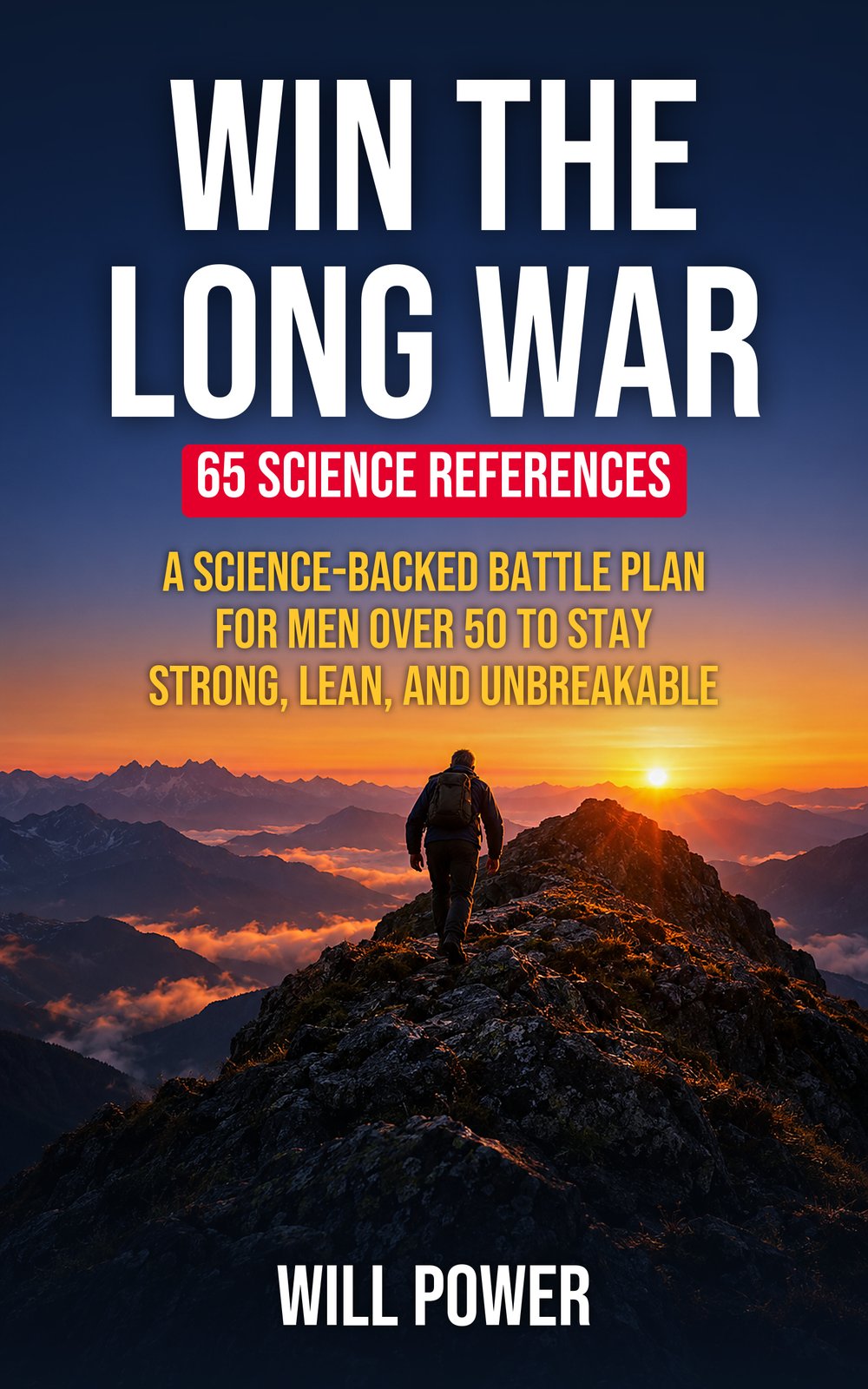
THE BOOK FOR THIS TOPIC
WIN THE LONG WAR
The full-spectrum longevity framework for men over 50. Sleep, inflammation, metabolic health, and the supplement stack that actually moves the needle.
Medical disclaimer. This article is for educational purposes only and is not medical advice. These statements have not been evaluated by the Food and Drug Administration, and nothing on this site is intended to diagnose, treat, cure, or prevent any disease. I share published research as a health enthusiast and endurance athlete, not as a clinician — I do not interpret your results and I do not diagnose. Consult your physician before making changes to your supplement, training, or nutrition regimen, especially if you take prescription medication or have an existing health condition.
FREE GUIDE
RECOVERY AFTER 50 DAILY CHECK
A short morning recovery check and the back-off steps from Battle Hard After 50 and The Hybrid Athlete Protocol, plus a four-week sleep and recovery log. Free PDF. Enter your email and it opens right away.
You'll also get the occasional newsletter. No spam. Unsubscribe anytime.
MORE ARTICLES